

For many people, learning Italian is not just about studying a language — it is about experiencing a culture, a lifestyle and a way of seeing the world.
One of the most effective and enjoyable ways to do this is to learn Italian in Italy for adults during the summer. A study stay in Italy combines language lessons, cultural discovery, travel and daily interaction with native speakers.
Whether you want to improve your language skills, discover Italian culture more deeply or simply enjoy an enriching travel experience, a summer Italian course in Italy can become one of the most memorable experiences of your life.
In this guide, we explain how to plan the ultimate summer language experience in Italy.
Why summer is the perfect time to learn Italian in Italy
Summer offers a unique combination of advantages for language learners.
Italy comes alive during the summer months. Cities and towns host festivals, concerts, outdoor cinema events, food markets and cultural celebrations. The warm weather encourages people to spend time outside, making it easier to interact with locals and practise Italian naturally.
For adult learners, summer also often means more flexibility. Many professionals and retirees choose this period to dedicate time to personal development, travel and cultural exploration.
Studying Italian in Italy during the summer allows you to combine:
- structured language lessons
- cultural experiences
- travel opportunities
- social interaction
All of these elements together accelerate the learning process.
Step 1: Choose the right destination in Italy

Not all Italian cities offer the same experience. Choosing the right destination can significantly influence your learning journey.
Some students prefer vibrant Mediterranean cities with strong local identity, while others look for elegant northern destinations or historical cultural centres.
For example:
- Catania, Sicily offers an authentic Mediterranean atmosphere, rich traditions and strong cultural identity.
- Como provides a calm and elegant environment surrounded by the natural beauty of Lake Como.
- Verona combines artistic heritage, architecture and a refined northern Italian lifestyle.
Each destination offers a different cultural context, but all allow students to experience Italy beyond the classroom.
Step 2: Choose the right Italian course
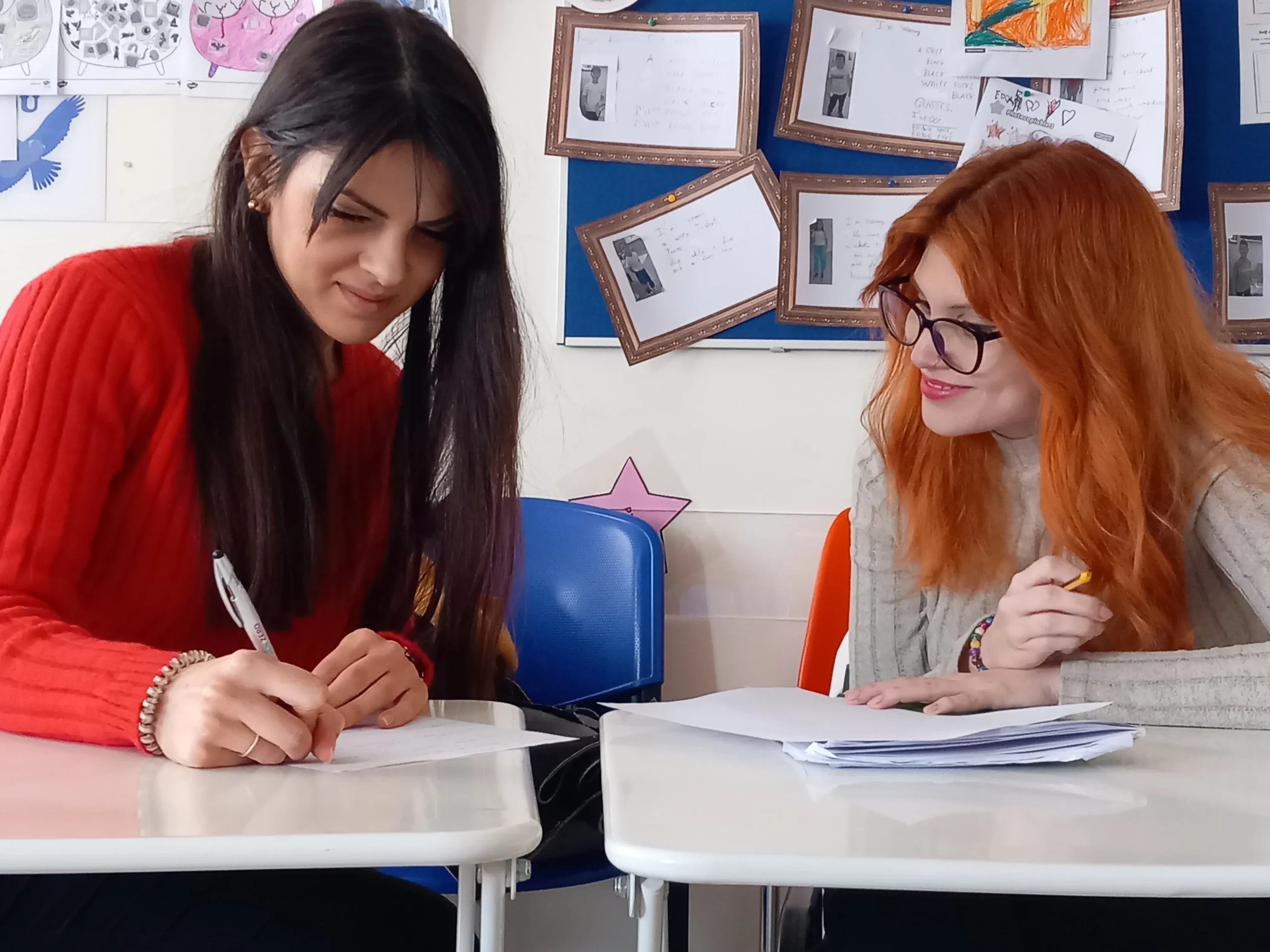
When planning to learn Italian in Italy for adults, it is important to select a course that matches your goals.
Most language schools offer several types of programs:
Intensive Italian courses
These are the most popular options for students who want rapid progress. Classes usually take place in the morning, leaving afternoons free for exploration.
Standard courses
A balanced option for learners who want to combine study with sightseeing and relaxation.
One-to-one lessons
Private lessons allow for personalized learning and are ideal for students with specific goals such as professional Italian or exam preparation.
Italian and culture programs
These programs combine language lessons with activities such as cooking classes, wine tasting or cultural excursions.
Step 3: Plan your accommodation

Where you stay can strongly influence your experience of learning Italian.
Many adult learners choose accommodation that allows them to immerse themselves in Italian life. Others prefer privacy and independence.
Common accommodation options include:
- Homestay with Italian hosts for cultural immersion
- Shared apartments for social interaction
- Private studios or apartments for independence
- B&Bs or hotels for comfort and convenience
Choosing the right accommodation helps create the right balance between learning, relaxation and social life.
Step 4: Immerse yourself in Italian culture
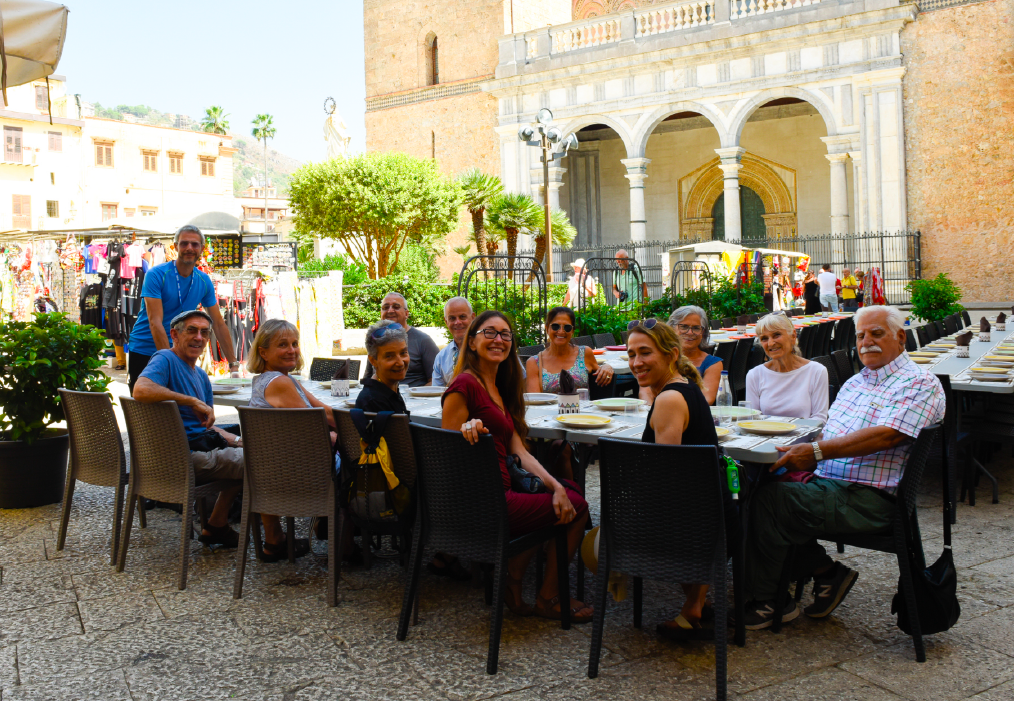
Learning Italian effectively requires more than classroom lessons.
Language is deeply connected to culture, habits and daily life. The more you expose yourself to authentic situations, the faster your Italian will improve.
During your study stay, try to participate in activities such as:
- local food experiences
- cultural festivals
- museum visits
- concerts and theatre
- city tours
- excursions in the surrounding region
These experiences transform your course into a full cultural immersion.
Step 5: Practise Italian every day

One of the greatest advantages of studying Italian in Italy is the constant opportunity to practise.
Simple everyday situations become valuable language exercises:
- ordering coffee at a bar
- shopping at local markets
- asking for directions
- talking with neighbours
- chatting with classmates
The key to success is not perfection but daily practice.
Even small conversations can build confidence and improve fluency.
Why learning Italian in Italy is different
Studying Italian abroad is very different from learning it at home.
When you learn Italian in Italy:
- the language surrounds you everywhere
- cultural context makes vocabulary meaningful
- real communication replaces artificial exercises
- motivation increases naturally
For adult learners especially, this immersive environment often leads to faster progress and deeper cultural understanding.
Ready to learn Italian in Italy this summer?
A summer language course in Italy is much more than a study program. It is an experience that combines language learning, travel, culture and personal discovery.
Whether you choose a Mediterranean city, a lakeside destination or a historic cultural centre, learning Italian in Italy allows you to experience the language where it truly belongs: in everyday life.
If you are looking for an authentic and inspiring way to improve your Italian, a study stay in Italy could be the perfect next step.
DISCOVER OUR ITALIAN LANGUAGE SCHOOLS IN ITALY
FAQs
Is summer a good time to learn Italian in Italy?
Yes. Summer is one of the best times to learn Italian in Italy because the country is full of cultural events, outdoor activities and social opportunities. Students can combine language lessons with real-life practice in cities, cafés, markets and local festivals.
Are Italian courses in Italy suitable for adults?
Absolutely. Many Italian language schools offer programs specifically designed for adult learners, including intensive courses, cultural programs, one-to-one lessons and flexible study options for different goals and levels.
How long should I stay in Italy to improve my Italian?
Most students stay between one and four weeks, but longer stays usually lead to stronger progress. Even a short course can boost confidence, while a longer immersion helps improve fluency and listening skills more significantly.
What is the best city to learn Italian in Italy?
The best city depends on your goals and travel style. Some adults prefer vibrant destinations such as Catania in Sicily, while others choose elegant and relaxed places such as Como or culturally rich cities such as Verona. The right destination is the one that matches your lifestyle and learning preferences.
Is it better to stay with a host family or in private accommodation?
Both options can work well. A homestay is ideal for students who want cultural immersion and more opportunities to speak Italian every day. Private accommodation is often better for those who prefer independence, privacy and a quieter personal routine.
Can beginners learn Italian in Italy?
Yes. Italy is an excellent place for beginners because real-life exposure helps students learn faster. Good schools offer courses for all levels, including absolute beginners, and daily situations such as ordering food or asking for directions become part of the learning process.
Why is learning Italian in Italy more effective than studying at home?
Learning Italian in Italy is often more effective because the language is present everywhere. Students hear and use Italian in authentic contexts every day, which helps reinforce vocabulary, improve pronunciation and develop confidence much faster than classroom-only study at home.