

Once you decide to learn Italian in Italy as an adult, choosing the course is only part of the decision. There is another question that can influence your experience just as much: where in Italy should you study?
Rome, Florence, Bologna, Sicily, the Italian lakes, historic northern cities, seaside destinations – Italy offers an extraordinary range of possibilities. And while almost any Italian city can be an exciting place to spend a few weeks, not every destination will suit every language learner in the same way.
For adult students in particular, choosing the right place involves much more than deciding which city looks most beautiful in photographs. Your ideal destination should reflect the way you like to travel, the pace of life you enjoy, your budget, your cultural interests and, importantly, the kind of opportunities you want to have to use Italian outside the classroom.
The best destination is ultimately the one that makes you want to live the language every day.
Start with the experience you want, not with the map

A useful way to begin is to forget destinations for a moment and imagine your ideal day in Italy.
Do you see yourself leaving your morning Italian class and walking through a lively street market, stopping for lunch and chatting with local people? Would you rather spend the afternoon walking beside a lake or exploring small towns surrounded by mountains? Perhaps your ideal experience involves historic streets, museums, architecture, music and evenings in elegant piazzas.
All of these can be excellent environments in which to learn Italian, but they create very different experiences. This matters because motivation plays an enormous role in language learning. If you feel curious about the place where you are staying, you are more likely to explore, talk to people, participate in activities and use Italian naturally.
Rather than asking ‘What is the best city to learn Italian in Italy?’, therefore, start with a more personal question: ‘Where would I most enjoy living in Italian?’
Think about your preferred pace of life
As an adult student, your study abroad experience may be very different from the traditional image of student life.
Perhaps you are using your annual leave for a two-week language holiday. You may be taking a career break, spending several months abroad after retirement or finally fulfilling a personal ambition you have had for years. This means that quality of life matters.
Some learners love energy, spontaneity and a little unpredictability. A city that feels alive from morning until evening gives them motivation and provides endless opportunities for interaction. Others prefer a quieter environment where they can concentrate during their lessons and then enjoy nature, culture or a peaceful evening afterwards.
Neither is better for language learning. The important question is which environment will make you feel comfortable enough to participate in daily life rather than retreating into a familiar international bubble.
Choose a place where Italian continues after class
When you study Italian in Italy for adults, one of your greatest advantages is that the country itself becomes part of your learning environment.
Your lesson might finish at lunchtime, but your Italian does not. You use the language when buying something at a market, ordering coffee, asking for information, reading signs, listening to conversations or speaking with the people around you.
This is why destination choice can influence language progress. Highly international tourist areas can sometimes make it extremely easy to live largely in English. That may be convenient, but convenience is not always your best friend when learning a language.
A destination that encourages genuine interaction with local life can create many more opportunities to practise. You do not need to avoid visitors or tourist attractions. You simply need a city that offers an everyday life beyond tourism – neighbourhood cafes, shops, markets, cultural events and places where local people actually live. That is where immersion becomes real.
Consider what you want your afternoons to look like

Many Italian courses for adults take place primarily during the first part of the day. What you do with the rest of your time can therefore become a significant part of the experience.
If food and local traditions are important to you, choose a destination where you can explore those interests naturally. If you love hiking, landscapes or outdoor activities, being close to mountains, countryside or the sea may matter more. If art, architecture, opera or history are your passions, you may prefer a city where cultural discoveries are part of your everyday routine.
This is particularly important for adult learners because the motivation to study Italian is often closely connected with an existing passion for Italy. Language and culture should not feel like two separate parts of your stay. Ideally, one should strengthen the other.
Discover our Italian Plus Experiences and turn your time outside the classroom into part of your Italian learning experience.
Catania: for adults looking for Mediterranean energy and authentic Sicily

If your idea of Italy involves lively streets, food markets, strong local traditions, sunshine and spontaneous human interaction, Catania offers a particularly immersive experience.
Located in Sicily between Mount Etna and the Mediterranean, Catania has a strong personality. It is a city where everyday life is visible: people meet in cafes, shop at traditional markets and spend time outdoors. For a language learner, that energy can become an advantage. Italian is not something you encounter only in the classroom; it surrounds you throughout the day.
Catania may particularly appeal to adults who want their course to become part of a broader discovery of Sicily. History, food, architecture, coastline, Mount Etna and the distinctive traditions of the island create plenty of reasons to continue exploring after lessons finish.
It can also be a good choice for students who value authenticity and prefer a city where local everyday life remains strongly present. The experience is lively rather than polished, Mediterranean rather than reserved, and often highly social. If that is the Italy you want to discover, Catania may feel immediately right.
Como: for adults who value landscape, elegance and a quieter rhythm

Como offers a very different Italian experience.
Situated on Lake Como and within easy reach of Milan and the Alps, the city combines an attractive historic centre with one of Italy’s most famous natural landscapes. For adult students who prefer a calmer and more refined setting, this can create an excellent environment for language learning.
You might spend the morning studying Italian and the afternoon walking along the lake, visiting nearby towns, taking a boat trip or simply enjoying the slower rhythm of the city. Como may appeal particularly to students who want to combine study with relaxation, nature and the lifestyle of Northern Italy.
Its geographical position is another consideration. For people travelling from other parts of Europe, or those who want to include Milan and Northern Italy in their stay, Como can be especially convenient. The atmosphere is quite different from Sicily, and that is precisely the point: learning Italian in Italy does not have to mean having one particular type of Italian experience. Your destination should reflect the version of Italy that inspires you.
Verona: for adults attracted by history, culture and a compact city
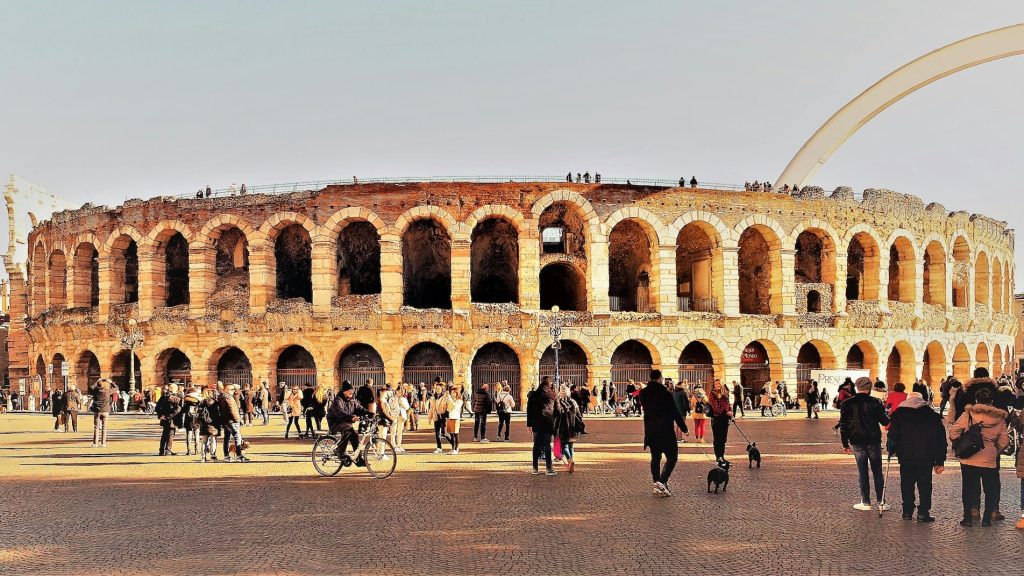
For students who want culture and history to be part of everyday life, Verona offers another distinctive possibility.
The city brings together Roman, medieval and Renaissance heritage in a historic centre that can be explored largely on foot. Its piazzas, cafes, monuments and cultural life provide a setting where studying and discovering the city can easily become part of the same daily routine.
For adult learners, the scale of a destination can matter. Some people love the excitement of a large city but find that travelling across it every day takes time and energy. A more compact city can make it easier to establish routines: walking to class, returning to the same cafe, recognising local faces and gradually feeling less like a visitor.
Verona can therefore suit adults looking for a cultured northern Italian environment with a strong historical identity and a manageable pace of life.
Don't forget the practical side of your stay
The emotional attraction of a destination matters, but practical details matter too.
Before making a decision, consider the total cost of your stay rather than simply comparing course fees. Accommodation is usually the largest expense after tuition, and prices can vary significantly between destinations and seasons. Restaurant prices, transport and entertainment will also influence your overall budget.
Think about accessibility as well. How easy will it be to reach your destination from your home country? Will you need a car, or can you comfortably live there using public transport and walking?
Accommodation style can also change your experience. Staying with a host family, for example, may provide additional opportunities to speak Italian, while an independent apartment offers greater privacy. There is no universally correct choice. Adult learners often have very different expectations of comfort, independence and social interaction, so the right destination should work practically as well as emotionally.
Consider the season, not just the city
The same destination can offer a very different experience depending on when you visit.
Spring and autumn are particularly attractive periods for many adult language learners. Temperatures can be pleasant, cities remain active and there may be fewer visitors than during peak holiday periods. Summer can be ideal if you enjoy outdoor life and a lively atmosphere, although some destinations can become hotter or busier. Winter offers a different rhythm again and may appeal to students who prefer quieter cities and a more everyday atmosphere.
Your destination and your travel dates should therefore be considered together. Ask yourself not simply ‘Would I enjoy this city?’ but ‘Would I enjoy this city at the time of year when I plan to study there?’
Choose the school and destination together

It is easy to fall in love with a destination first and only afterwards investigate the language school. Ideally, the two decisions should be made together.
A beautiful city cannot compensate for a course that does not suit your objectives, just as an excellent school cannot completely compensate for a destination where you do not enjoy spending your time.
Look at the school’s teaching methodology, class environment, course formats, teacher qualifications and student support. Then look at the city and ask whether it provides the lifestyle and immersion opportunities you want.
The strongest study abroad experiences happen when the two complement each other. A communicative classroom prepares you to use Italian outside. The destination then gives you genuine opportunities to do so. What happens outside feeds back into the next lesson. That cycle is at the heart of successful immersion.
Explore our Italian language courses in Italy and find the combination of course and destination that best matches your goals.
Don’t choose a destination because someone else calls it ‘the best’
Search online for the best places to learn Italian and you will find endless rankings. They can provide inspiration, but they cannot tell you which destination is right for you.
One person may find a lively Mediterranean city stimulating; another may find it overwhelming. One student may dream of living beside Lake Como; another may prefer the cultural atmosphere of a historic city.
The qualities that make a destination perfect for one adult learner can make it less suitable for another. The real objective is not to choose the city with the highest ranking. It is to find a place where you will feel motivated to leave the classroom, explore, interact and make Italian part of your daily routine.
The right destination is where you can imagine yourself living the language
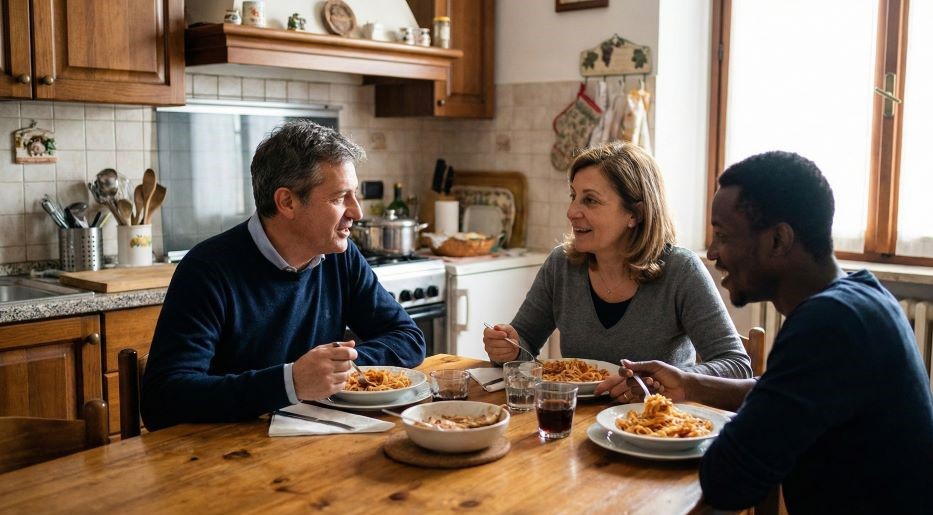
Learning Italian abroad is unusual because the destination is not simply the backdrop to your studies. It is part of the course.
The streets you walk through, the cafes you return to, the people you meet and the places you discover gradually become connected with the words and expressions you are learning.
For adult students, this can be what makes studying in Italy so rewarding. You are not only acquiring a language skill. You are giving yourself time to experience a different way of life.
So when choosing where to learn Italian in Italy for adults, consider the language school, but also consider the life waiting outside its doors. Catania, Como and Verona offer three very different settings and three different ways of experiencing Italy.
The best destination is the one that makes you curious enough to step outside, start talking and turn Italian from a subject you study into a language you live. Final CTA: Discover our schools in Catania, Como and Verona with TEAM LINGUE – International House and find the Italian experience that feels right for you.
FAQs – Choosing Where to Learn Italian in Italy for Adults
1. What is the best place to learn Italian in Italy for adults?
There is no single best destination. The right place depends on your interests, preferred lifestyle, budget, course goals and the kind of cultural experience you want alongside your Italian lessons.
2. Is it better to study Italian in a large city or a smaller city?
Both can work well. Large cities provide variety and cultural opportunities, while smaller or more compact cities can make everyday life easier and encourage repeated interaction with local people. What matters most is choosing an environment where you will actively use Italian.
3. Is Catania a good place for adults to learn Italian?
Yes. Catania is particularly suitable for students attracted by Sicilian culture, Mediterranean life, food, history and a lively social atmosphere. It also provides many opportunities to encounter Italian in everyday situations.
4. Why choose Como for an Italian language course?
Como can be an excellent choice for adults looking for a calmer northern Italian environment combined with beautiful landscapes, Lake Como, proximity to Milan and opportunities for cultural and outdoor activities.
5. Is Verona suitable for adult Italian students?
Yes. Verona can appeal to adults interested in history, architecture, music and culture. Its relatively compact historic environment also makes it attractive to students who enjoy exploring a city on foot.
6. Should the cost of living influence my choice of destination?
Yes. Course fees are only one part of your budget. Accommodation, meals, transport and leisure activities can vary considerably between Italian destinations, so comparing the total cost of your stay is important.
7. Which destination is best for full Italian immersion?
Full immersion depends partly on the destination but also on your behaviour. Choose somewhere with a strong everyday local life and then actively use Italian in shops, cafes, markets, activities and conversations rather than remaining mainly within an international English-speaking environment.
8. What is the best time of year to study Italian in Italy?
It depends on your preferences and destination. Spring and autumn are popular with adults because of pleasant weather and active city life, while summer offers more outdoor opportunities. Winter may suit learners who prefer a quieter experience.
9. How long should adults stay in Italy to improve their Italian?
Even one or two weeks can increase confidence and provide valuable immersion. Longer stays give you more time to establish routines, build relationships and make Italian part of everyday life, which generally supports deeper progress.
10. What should I consider before choosing an Italian language school and destination?
Consider your language goals, preferred course intensity, teaching quality, accommodation options, total budget, accessibility, cultural interests and preferred lifestyle. The best choice is the combination of school and destination that keeps you motivated both inside and outside the classroom.